A Complete Guide to Roof-Over vs Tear-Off
Choosing between a roof-over and a tear-off is one of the more consequential decisions in a roof replacement, and the cheaper option is not usually the better one. This guide compares the two approaches across the factors that matter, cost, decking, weight, heat, warranty, code, lifespan, and resale, so a Mount Summit homeowner can see the full trade-off rather than just the price difference. The goal is to help you make a decision that fits your roof and your plans, with a clear understanding of what each path delivers and what it leaves undone.
The Two Approaches Side by Side
Before the details, the table below summarizes how a roof-over and a tear-off compare on the key factors. Use it as a frame for the sections that follow, which explain each point. The pattern it shows is consistent: the roof-over wins on upfront cost and speed, while the tear-off wins on nearly everything related to the roof's long-term performance and value.
| Factor | Roof-Over | Tear-Off |
|---|---|---|
| Upfront cost | Lower | Higher |
| Decking inspection | Not possible | Full inspection and repair |
| Roof weight | Two layers, heavier | Single layer, lighter |
| Shingle lifespan | Shorter (trapped heat) | Full rated lifespan |
| Manufacturer warranty | Often voided | Preserved |
| Resale and appearance | Can raise concerns | Clean, fewer concerns |
Code and Layer Limits
Building codes shape what is even possible. Most jurisdictions allow a maximum of two asphalt layers, so a roof with two layers must be torn off. Codes also prohibit roofing over wet, curled, or damaged shingles, or over a different material. These rules reflect the genuine risks of layovers. For a Mount Summit homeowner, they mean a roof-over is only legal under specific conditions, and a roofer must verify the existing layer count and shingle condition first. In many cases the code itself rules out a roof-over entirely, so a tear-off becomes the only permitted path. A reputable roofer checks all of this before proposing either option, since recommending a layover that code does not allow would set the project up to fail an inspection or create problems later on.
Heat, Lifespan, and Warranty
Three linked factors favor the tear-off. A roof-over traps heat against the new shingles, aging them faster and shortening their life. It often voids the manufacturer warranty, removing coverage for defects. And those two combine to leave the roof both more likely to fail early and unprotected when it does. A tear-off avoids all of this, giving the shingles a cool, clean deck and keeping the warranty intact. For a Mount Summit homeowner, this cluster of heat, lifespan, and warranty is where the roof-over's hidden costs concentrate, and where the tear-off's advantages are clearest.
Which One to Choose
Bringing it together, a tear-off is the better choice for the large majority of Mount Summit homes, because it fixes the decking, keeps the roof light, delivers full lifespan and warranty, and presents well at resale. A roof-over makes sense mainly when a single sound layer, good decking, a tight budget, and a short ownership horizon all genuinely apply. The surest way to decide is a professional inspection that confirms your layer count, shingle condition, and decking, since those facts often settle the question. A roofer can provide that assessment and recommend the path that truly fits your roof. Either way, basing the decision on a real inspection rather than the price gap alone is what leads to a roof you will be glad you chose years from now.
The Decking Factor
The condition of the wood decking is central, and only a tear-off reveals it. With the old roofing removed, the crew can replace rotted or damaged decking before the new roof goes on, which is essential since new roofing over bad wood will not hold. A roof-over leaves the decking covered and unknown, so existing damage stays and can spread. For a Mount Summit home, especially an older one or one with any leak history, the decking factor strongly favors a tear-off, because it removes a hidden risk that a roof-over forces you to accept on faith.
Resale and Inspection
How the roof affects a future sale rounds out the comparison. Inspectors note the number of layers, and a layered roof can raise buyer questions about hidden decking and remaining life, while a roof-over may look slightly uneven. A tear-off gives a clean, single-layer roof with documented decking condition and full warranty eligibility, which presents better and raises fewer concerns. For a Mount Summit homeowner thinking ahead to resale, the tear-off generally supports the sale more, since buyers and their inspectors tend to view a clean single layer more favorably than a layover.
The Tear-Off in Detail
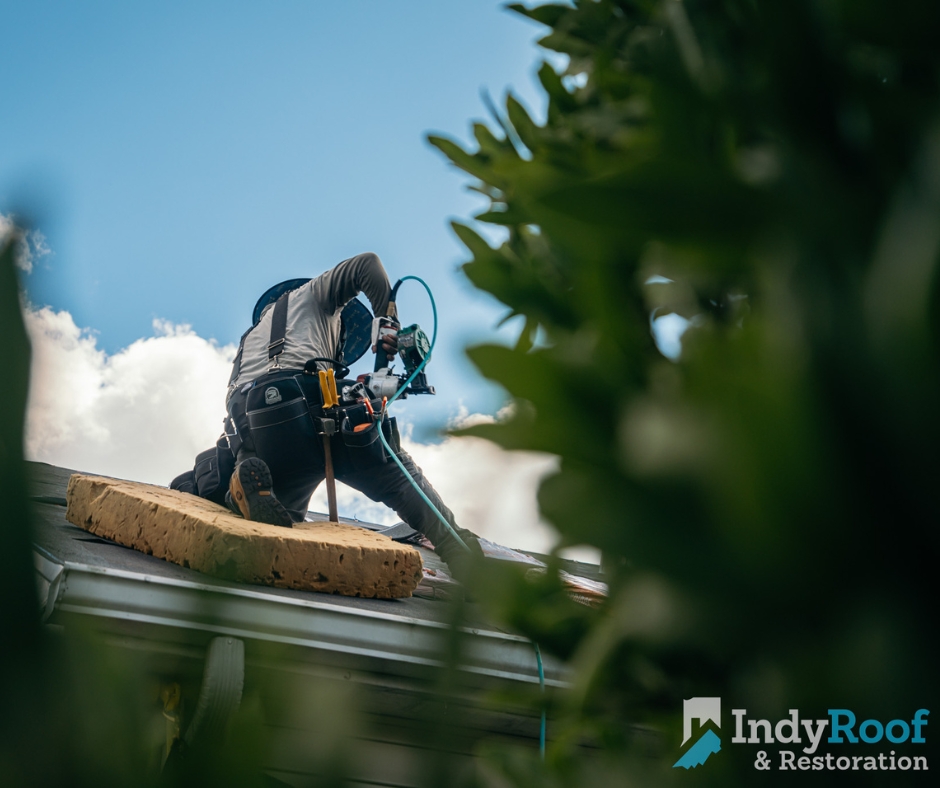
A tear-off removes all old roofing down to the decking and rebuilds the roof from the wood up. It costs more because of the added labor and disposal, but it delivers the full benefits of a new roof. The decking is exposed and repaired, fresh underlayment and protection go down, the roof stays a single light layer, and the warranty is preserved. The result is a clean, full-lifespan roof. For a Mount Summit homeowner, the tear-off is the thorough, standard approach that most roofers recommend, and while it asks more upfront, it provides value a roof-over structurally cannot.
Weight and Structure
A roof-over adds the weight of a second layer to the structure, while a tear-off keeps the roof to one layer. Many homes can carry two layers, but some cannot comfortably, and the added load is part of why codes limit layers and can stress framing over time. A single layer matches what the roof was designed to hold. For a Mount Summit homeowner, the weight consideration is another reason a tear-off is the safer long-term choice, particularly on older homes where the structure's capacity is less certain and the margin for extra load is smaller.
The Roof-Over in Detail
A roof-over installs new shingles over the existing layer, saving the labor of tear-off and the cost of disposal. That makes it cheaper, faster, and less messy, which is its entire appeal. It is limited to specific conditions, a single sound existing layer in suitable shape, and capped by codes that allow at most two layers. The savings, though, come from work left undone, since the decking stays covered and the warranty is often lost. For a Mount Summit homeowner, the roof-over is best understood as a budget compromise that trades long-term performance for upfront cost, acceptable in narrow cases and risky outside them.
Cost vs Value
The cost comparison is where many homeowners stop, and where they can be misled. A roof-over is cheaper upfront, but it tends to last fewer years, may void the warranty, and leaves decking problems unaddressed, so its cost per year of service can exceed a tear-off's. A tear-off costs more now but delivers a longer-lasting, fully warranted roof on a sound deck. For a Mount Summit homeowner, the right comparison is lifetime value, not upfront price. Viewed that way, the tear-off's higher cost often buys enough additional years and protection to be the better financial choice.